


What are the selection requirements for shaft machining processes?
Release time:
2024-12-09
The shaft is generally manufactured from rolled round steel or forged pieces through cutting processing.
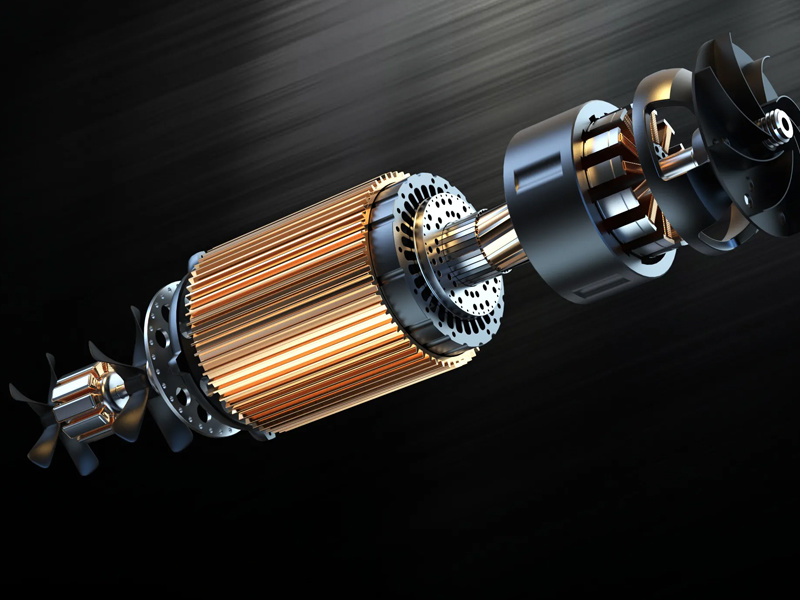
The shaft is generally made from rolled round steel or forgings through cutting processes. For shafts with smaller diameters, round steel bars can be used; for important shafts with large diameters or significant step diameter changes, forgings are often used. To save metal and improve manufacturability, large diameter shafts can also be made hollow, with welded or forged flanges. For shafts with complex shapes (such as camshafts and crankshafts), casting can be used.
1. Selection of shaft blanks
For self-locking nut shafts or shafts with little diameter variation, and less critical shafts, rolled round bars can be selected as shaft blanks; if conditions allow, cold drawn round steel can be used directly; for important shafts that bear loads, heavily loaded shafts, and step shafts with significant diameter changes, forgings are generally used; for shafts with complex shapes, cast blanks can be used.
2. Selecting shaft materials based on usage conditions
Most shafts bear both torque and bending moments, and often work under variable stress conditions, so the materials for shafts should have good strength and toughness. When used in sliding bearings, they should also have good wear resistance. Carbon structural steel is widely used, with 45 steel being common, which has excellent overall mechanical properties after tempering. Less critical shafts can also use ordinary carbon structural steels like Q235 and Q275.
3. Heat treatment and surface treatment processes to improve the mechanical properties of materials
Cold working hardening is a mechanical surface treatment process that can also be used to improve the surface quality of shafts and increase fatigue strength. Methods include shot peening and burnishing. Shot peening creates a thin layer of plastic deformation on the surface, significantly reducing surface roughness, hardening the surface layer, and eliminating micro-cracks, resulting in residual compressive stress on the surface.
Related Blogs

On the second day of the exhibition, visitors kept arriving in a steady stream.
On the second day of the exhibition, visitors kept arriving in a steady stream.

Precision Engineering, Craftsmanship Forged · Transmission Towards the Future – You Are Cordially Invited to Attend

Day one of the expo! Catch up with old friends and meet new ones!
Day one of the expo! Catch up with old friends and meet new ones!
Want to start a custom collaboration with us? Contact us now
Focus on the production of motor shaft and all kinds of shaft, shaft core factory, annual production of 3 million kinds of motor shaft, rotating shaft, gear shaft, as well as some hardware accessories.


Contact Us
Telephone:+86-13586161817
E-mail:39863463@qq.com
Address: Xinyuan Village, Damaiyu Street, Yuhuan, Zhejiang Province (next to Chenyu Gas Station)